
Haywood County Superior Court Overview
North Carolina's General Court of Justice has an Appellate Division, Superior Court Division, and District Court Division. For Haywood County, the practical trial-court path runs through Superior Court, District Court, magistrates, and the elected Clerk of Superior Court at the Haywood County Courthouse / Justice Center. The official NC Courts county page places Haywood in Prosecutorial District 43, Superior Court District 43B, and District Court District 43.
Superior Court is the general-jurisdiction trial court. It hears felony criminal cases, higher civil cases, and appeals from District Court in many matters. District Court hears misdemeanors, infractions, traffic matters, small claims appeals, many domestic cases, juvenile matters, and lower civil matters. The Clerk of Superior Court keeps the court records for both trial divisions and also serves as the probate official for estates and guardianships.
The official Haywood County NC Judicial Branch page identifies the local districts and court services.
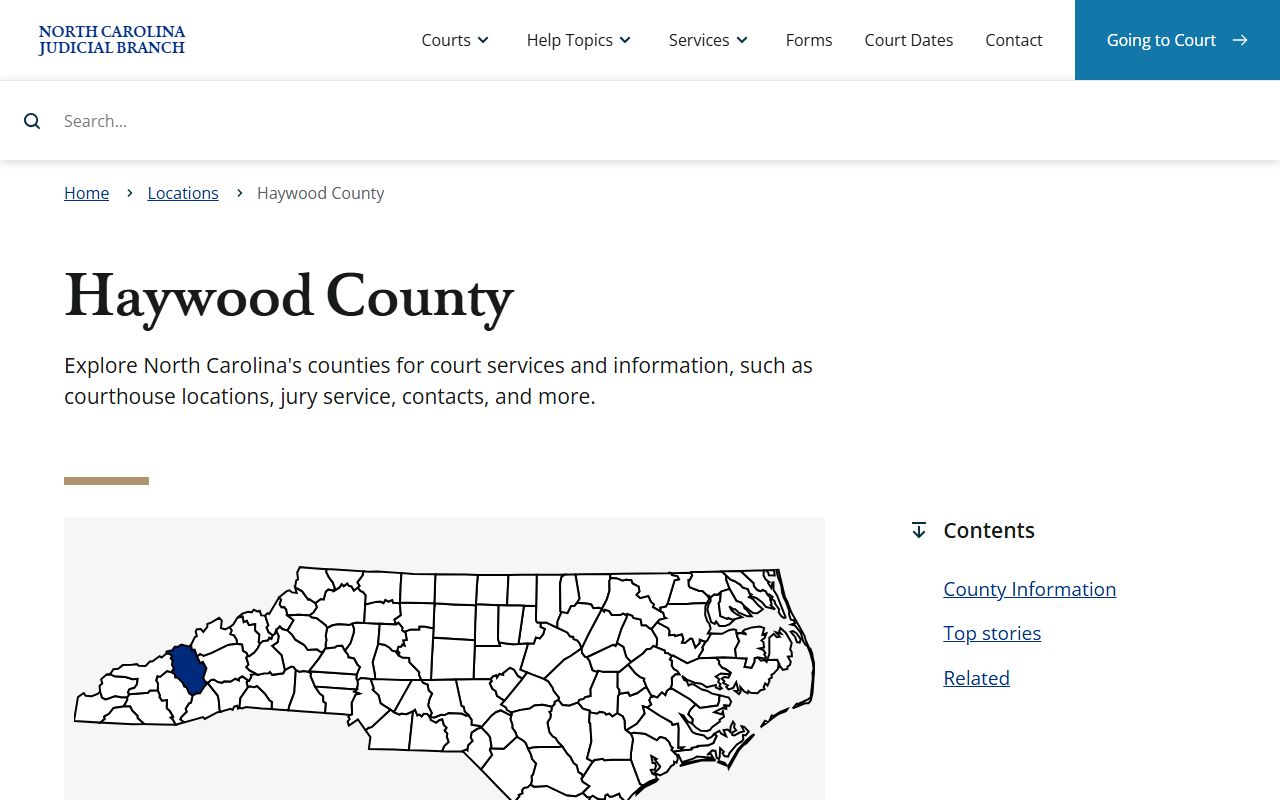
That county page is the best official local starting point for court dates, local rules, and record-search links.
Haywood County Superior Court Units
Haywood County does not have a list of separate numbered county courts for records access. The court structure is by division and function. The following table uses the official contact directory and state court map to show the trial-court units, local role, and contact points documented for Haywood County.
| Court / Unit | Type | Address | Phone |
|---|---|---|---|
| Superior Court District 43B | General-jurisdiction trial court for felony and higher civil matters | 285 N Main St, Suite 1500, Waynesville, NC 28786 | (828) 454-6512 |
| District Court District 43 | Lower trial division for misdemeanors, traffic, domestic, juvenile, and lower civil matters | 285 N Main St, Suite 1500, Waynesville, NC 28786 | (828) 454-6511 |
| Clerk of Superior Court | Record custodian and probate judicial officer | 285 N Main St, Suite 1500, Waynesville, NC 28786 | (828) 454-6501 |
| Magistrates - Civil | Small claims and civil magistrate functions | Haywood County | (828) 454-6515 |
| Magistrates - Criminal | Initial criminal process and related magistrate functions | Haywood County | (828) 456-8191 |
| District Attorney, Prosecutorial District 43 | State criminal prosecution | Haywood County court contact directory | (828) 454-6510 |
The official court structure overview is available from NC Courts Structure of the Courts.
The statewide structure explains why Haywood County case records sit in state trial-court divisions instead of county-run courts.
Superior Court vs District Court
The key local distinction is case type. A felony charge or higher-value civil dispute belongs in Superior Court. A misdemeanor, infraction, traffic citation, domestic case, juvenile case, small claim, and many landlord-tenant cases begin in District Court or before magistrates. Municipal police departments may create the citation or arrest, but the court file is still in the state court system.
| Superior Court | District Court | Magistrates | |
|---|---|---|---|
| Main role | General-jurisdiction trial court. | Lower trial division for common local matters. | Initial processes and small claims functions. |
| Criminal matters | Felony cases and related higher criminal proceedings. | Misdemeanors, infractions, and many traffic matters. | Warrants, conditions of release, and initial criminal process. |
| Civil matters | Higher civil cases and appeals from District Court in many matters. | Lower civil matters, landlord-tenant, small claims appeals, and domestic cases. | Small claims proceedings under District Court. |
| Records path | Clerk of Superior Court and Portal. | Clerk of Superior Court and Portal. | Clerk and court records after filing or process. |
The official North Carolina Superior Court page explains the Superior Court Division, statewide rotation, and jurisdiction.
That source supports using Superior Court as the primary trial-court label for this Haywood County page.
Haywood County Case Movement
Case movement depends on the case type. A criminal case may begin with an arrest, citation, warrant, or magistrate process. Misdemeanors and traffic matters often proceed in District Court. Felonies can begin with initial process and then move toward Superior Court handling through indictment, arraignment, plea, trial, disposition, and sentencing. Civil cases begin with pleadings, service, answers, motions, mediation or arbitration where required, trial or judgment, and possible appeal.
Criminal flow: Arrest or citation › Magistrate or first appearance › District Court setting › Indictment or transfer when required › Superior Court plea or trial › Disposition › Sentencing › Appeal.
Civil flow: Complaint or petition › Service › Answer › Motions › Mediation or arbitration when ordered › Trial or judgment › Appeal.
For case lookup after any of these steps, use Haywood County court dockets to find hearing dates and docket events, then use the clerk for documents that are not public online.
Haywood County Superior Court Rules
Local rules affect how a case appears on a docket. The Haywood local rules and forms page lists a Criminal Case Docketing Plan for the 43rd Prosecutorial District effective May 1, 2019, Rules for Civil Superior Court for Judicial District 30B, a Superior Court Continuance Policy, District Court Local Rules of Criminal Procedure, Local Rules for Court-Ordered Arbitration, and a domestic court addendum for mandatory child custody and visitation mediation in the 43rd Judicial District.
These local rules do not create a separate court-record custodian. They explain scheduling, continuances, docketing practice, mediation, arbitration, and division-specific process. For public users, that means a Portal event may make more sense when read with the local rule that governs that type of setting.
The official source is the Haywood County local rules and forms page.
Local rules are most useful when a hearing was continued, mediated, arbitrated, or placed on a criminal docketing calendar.
Haywood County Trial Divisions
The Superior Court and District Court divisions share the same local record custodian, the Clerk of Superior Court. Civil Superior Court can include larger or more complex disputes, judgments, orders, and appeals from District Court. District Court handles lower civil disputes, traffic and infractions, many domestic matters, juvenile matters, landlord-tenant cases, misdemeanors, and small claims appeals. Court-ordered arbitration and custody or visitation mediation also appear in the official Haywood contact directory.
Probate is a special local nuance. The Clerk of Superior Court acts as Ex Officio Judge of Probate for estates, guardianships, and related special proceedings. That means probate records are not filed in a separate county probate court. They are handled through the clerk's office, and public online access depends on Portal visibility and confidentiality limits.
Law-enforcement records sit outside the trial-court structure. The Haywood County Sheriff's Office, led by Sheriff Bill Wilke, handles sheriff contact and agency records, while Superior Court and District Court records remain with the Clerk of Superior Court and state court systems.
Note: Marriage licenses and vital records are handled by the Register of Deeds, not by the trial court clerk.
Haywood County Superior Court Location
Court users should treat the Haywood County Courthouse / Justice Center as the primary court-records building. The NC Judicial Branch lists the courthouse address, main court phone, and public hours. The county Clerk of Court page names Jeff Haynes as Clerk and gives the same Justice Center contact data. The Town of Waynesville adds the important detail that the clerk is a North Carolina state-government function housed locally in Waynesville.
Haywood County Courthouse / Justice Center
285 N Main St, Suite 1500
Waynesville, NC 28786
(828) 454-6501
Monday-Friday, 8:00 AM-5:00 PM
The Historic Courthouse at 215 N Main St is a separate county-government building and houses offices such as the Register of Deeds. Court case files, traffic cases, criminal charges, probate estates, guardianships, and court payments go to the court clerk / Justice Center. Marriage licenses, certified marriage copies, birth and death certificates, land records, military discharges, and notary certifications go to the Register of Deeds.
Appeals From Haywood County Court
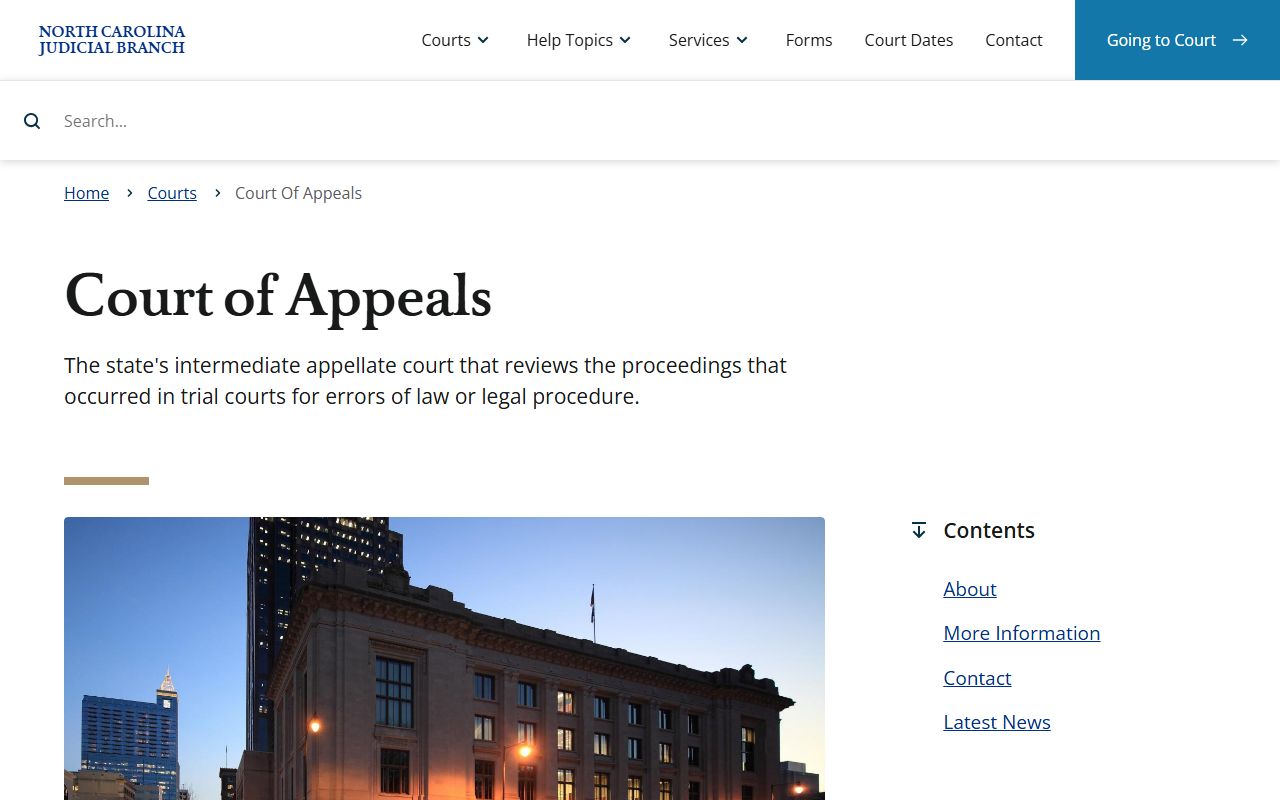
Appeals from North Carolina trial courts go through the state appellate system. The North Carolina Court of Appeals is the intermediate appellate court and reviews trial-court proceedings for legal error rather than retrying facts. The research source states that it has fifteen judges who sit in panels of three. Limited further review can go to the Supreme Court of North Carolina.
The official North Carolina Court of Appeals page describes the intermediate appellate court and three-judge panels.
Appeal entries may appear in the trial-court record, but the appellate case has its own court process and file.
Federal appeals are separate. The U.S. Court of Appeals for the Fourth Circuit handles federal appeals from North Carolina federal courts, not ordinary Haywood County Superior Court appeals.
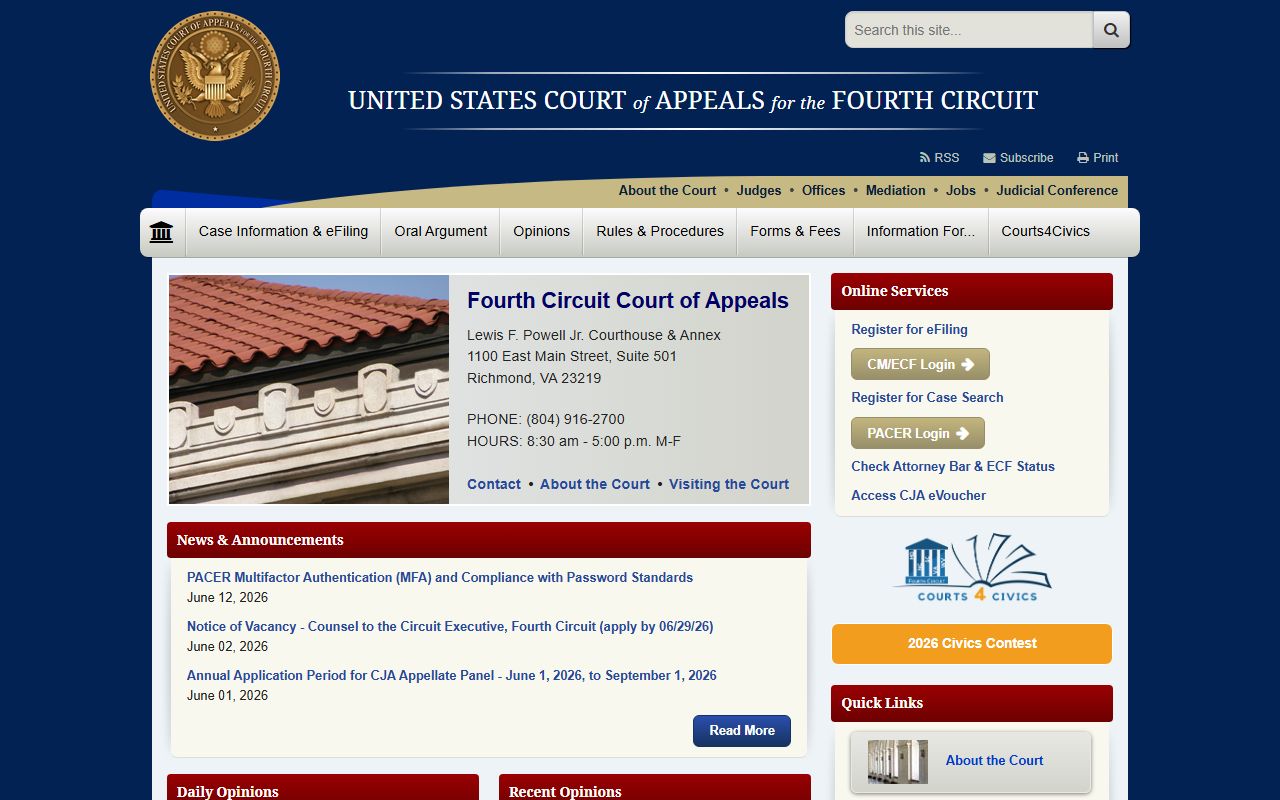
Use the Fourth Circuit only for federal district or bankruptcy appeals, not local state trial-court docket questions.